
Ma Zhiyuan
Yuan dynasty dramatist and poet known for sanqu lyrics.
Ma Zhiyuan (1250–1321), also known by his courtesy name Dongli, was a Chinese dramatist, playwright, and poet active during the Yuan dynasty. He is credited with advancing and popularizing the sanqu form of Classical Chinese poetry. His most famous sanqu poem is “Autumn Thoughts,” which is composed to the metric pattern Tianjingsha. The poem uses ten distinct images within twenty-two monosyllables to set up an emotional state, and it is regarded as an exemplary piece in Chinese poetry for capturing the melancholy typical of the Chinese male literati during late autumn. Ma Zhiyuan’s sanqu works were gathered in the collection “Dongli Yuefu,” which contains 104 single sanqu (xiaoling) and 17 song suites (taoshu).
In addition to his poetry, Ma Zhiyuan wrote plays. Of the fifteen plays he authored, only seven survive, and four of these have been translated into English. One of his best-known plays is “Autumn in Han Palace,” whose full title is “Breaking a Troubling Dream: A Lone Goose in Autumn over the Palaces of Han.” This play recounts the story of Han Emperor Yuandi and Wang Zhaojun and is considered the finest example of Yuan dynasty theatre. Another play, “The Yellow-Millet Dream,” has the full title “On the Road to Handan, Awakening from a Dream Dreamt While Cooking Millet.” A third play is “Yueyang Tower,” fully titled “Lü Dongbin Gets Drunk Three Times in Yueyang Tower.” A fourth translated play is “Tears on the Blue Gown,” whose full title is “The Overseer of Jiangzhou: Tears on the Blue Gown.” Three additional extant plays remain untranslated, with only their full titles recorded. Ma Zhiyuan’s contributions to both sanqu poetry and Yuan drama secured his lasting influence in Chinese literary history.
- field
- Dramatist, playwright, poet
- nationality
- Chinese
- known_for
- Development and popularizing of sanqu poetry; play 'Autumn in Han Palace'
Lore & Background
Ma Zhiyuan, courtesy name Dongli, was a Chinese dramatist, playwright, and poet active during the Yuan dynasty. He is credited with advancing and popularizing the sanqu lyric form of Classical Chinese poetry. His sanqu works were compiled in the collection "Dongli Yuefu," which contains 104 single sanqu pieces and 17 song suites. The most famous of his sanqu poems is "Autumn Thoughts," composed to the metric pattern Tianjingsha. This poem uses ten distinct images within twenty-two monosyllables to evoke a state of emotion, and it is regarded as a quintessential expression of the melancholy typical of Chinese male literati during late autumn. Of his fifteen plays, only seven survive, and four have been translated into English. Among these, "Autumn in Han Palace" is considered the finest example of Yuan theatre; it recounts the story of Han Emperor Yuandi and Wang Zhaojun. Other extant plays include "The Yellow-Millet Dream," "Yueyang Tower," and "Tears on the Blue Gown." His works are noted for their lyrical depth and contribution to the development of Yuan drama and poetic forms.
Reader's Guide
Ma Zhiyuan was a central figure in the development of the *sanqu* lyric form during the Yuan dynasty, a period noted for its flourishing drama and poetry. His most celebrated work in this form is the poem "Autumn Thoughts," which is widely recognized for its concise use of ten images within twenty-two monosyllables to evoke a state of melancholy, particularly the typical melancholy of the Chinese male literati during late autumn. His *sanqu* poems were collected in the volume *Dongli Yuefu*, which contains 104 single *sanqu* and 17 song suites. Beyond poetry, Ma Zhiyuan was a prolific playwright, though only seven of his fifteen plays survive. Among these, *Autumn in Han Palace*, which dramatizes the story of Han Emperor Yuandi and Wang Zhaojun, is regarded as the best example of Yuan theatre. Four of his extant plays have been translated into English, including *The Yellow-Millet Dream*, *Yueyang Tower*, and *Tears on the Blue Gown*. His work is studied for its contribution to Chinese literary forms and its influence on subsequent poetry and drama.
Did You Know?
- Ma Zhiyuan's courtesy name was Dongli.
- His sanqu poem 'Autumn Thoughts' uses ten images in twenty-two monosyllables.
- Only seven of his 15 plays are extant.
- The play 'Autumn in Han Palace' is considered the best example of Yuan theatre.
Gallery
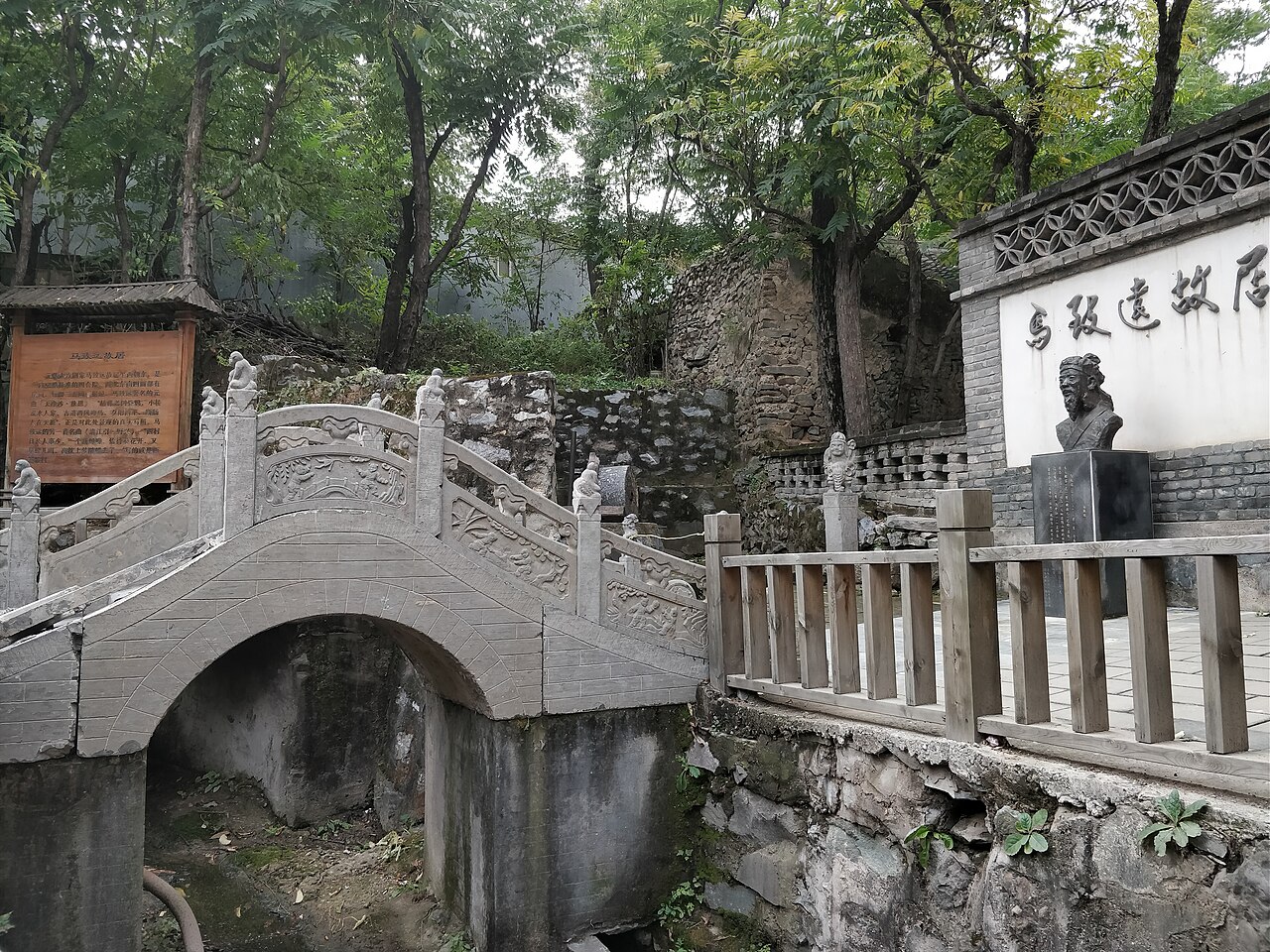
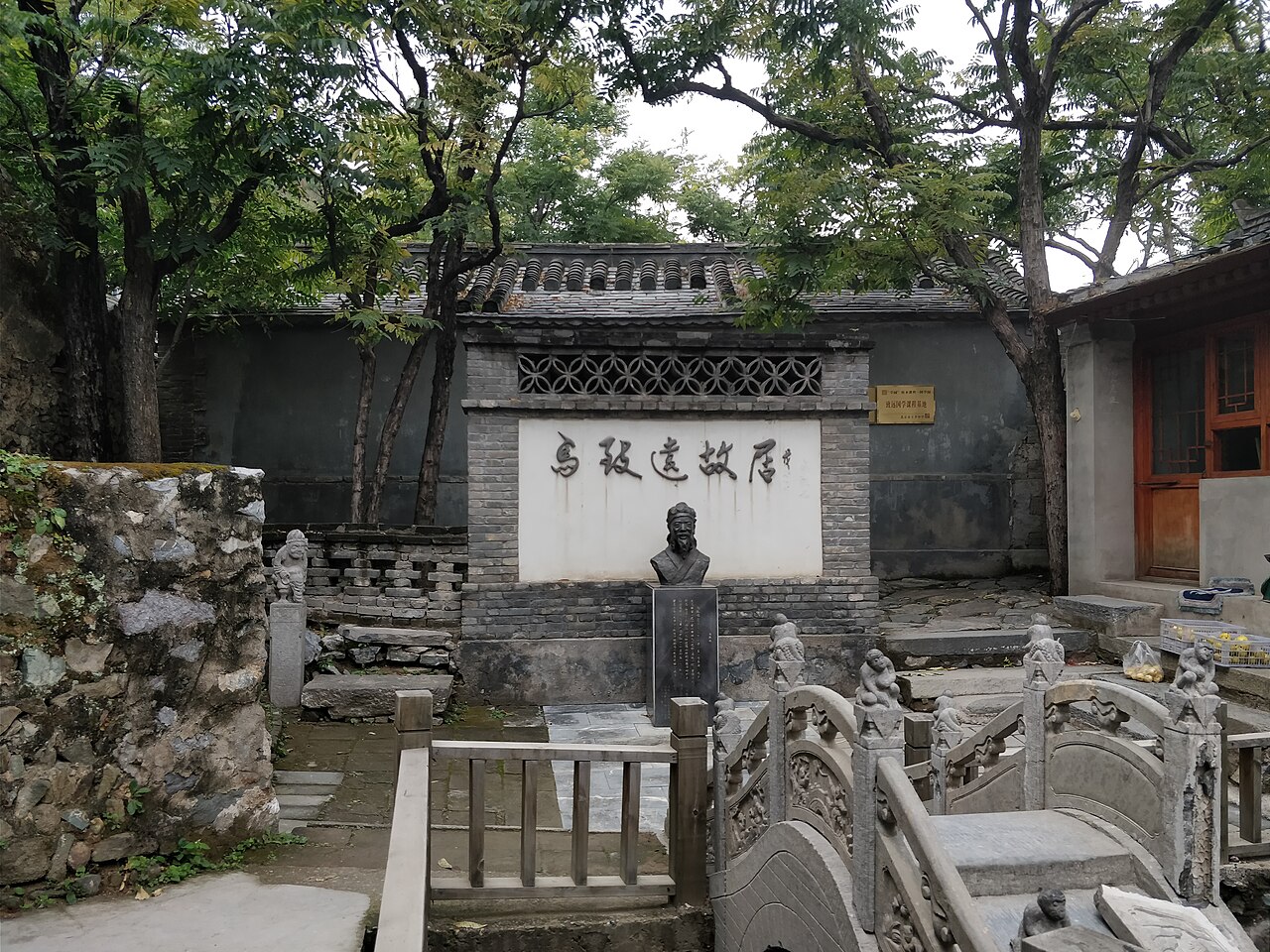
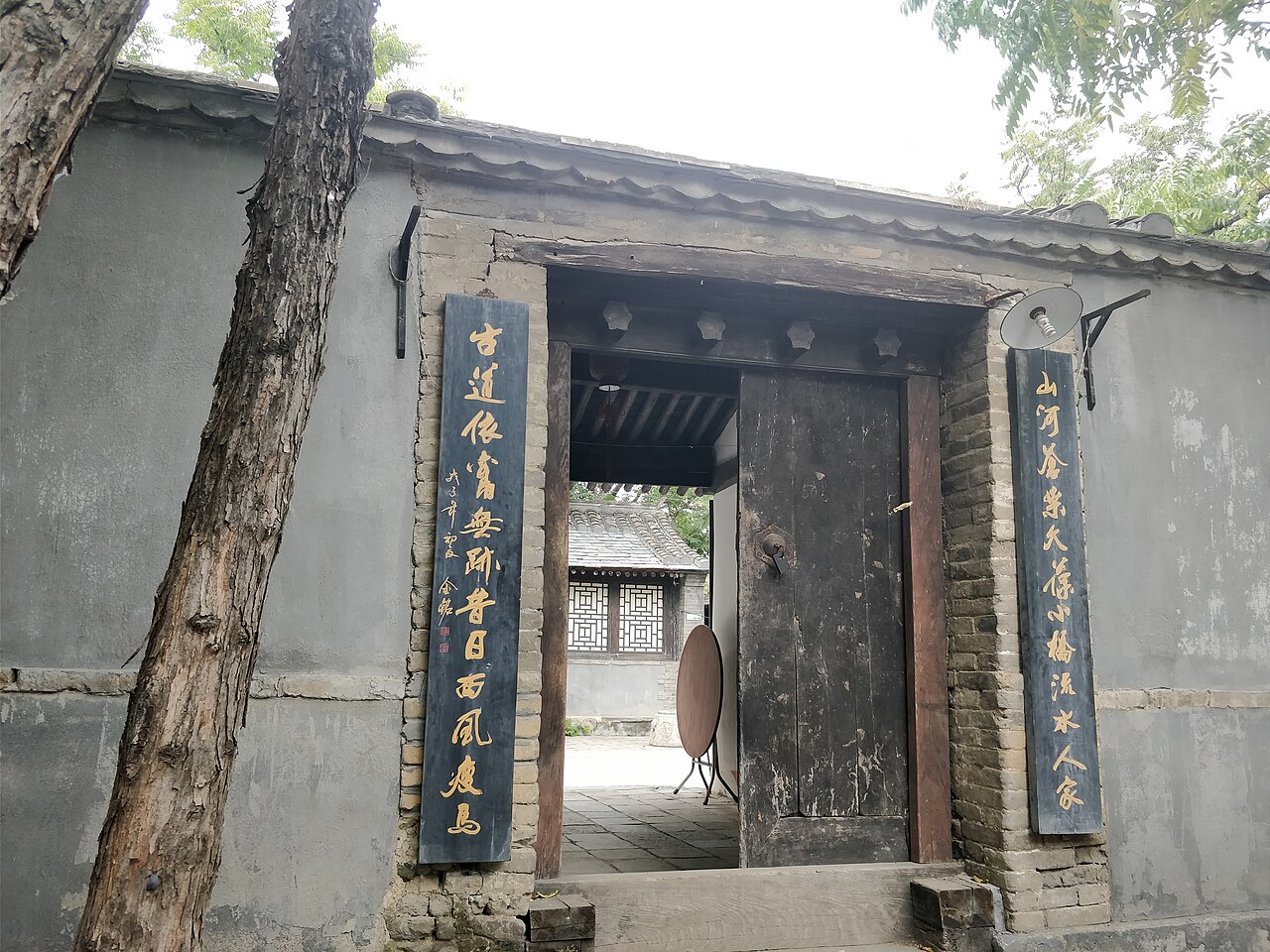
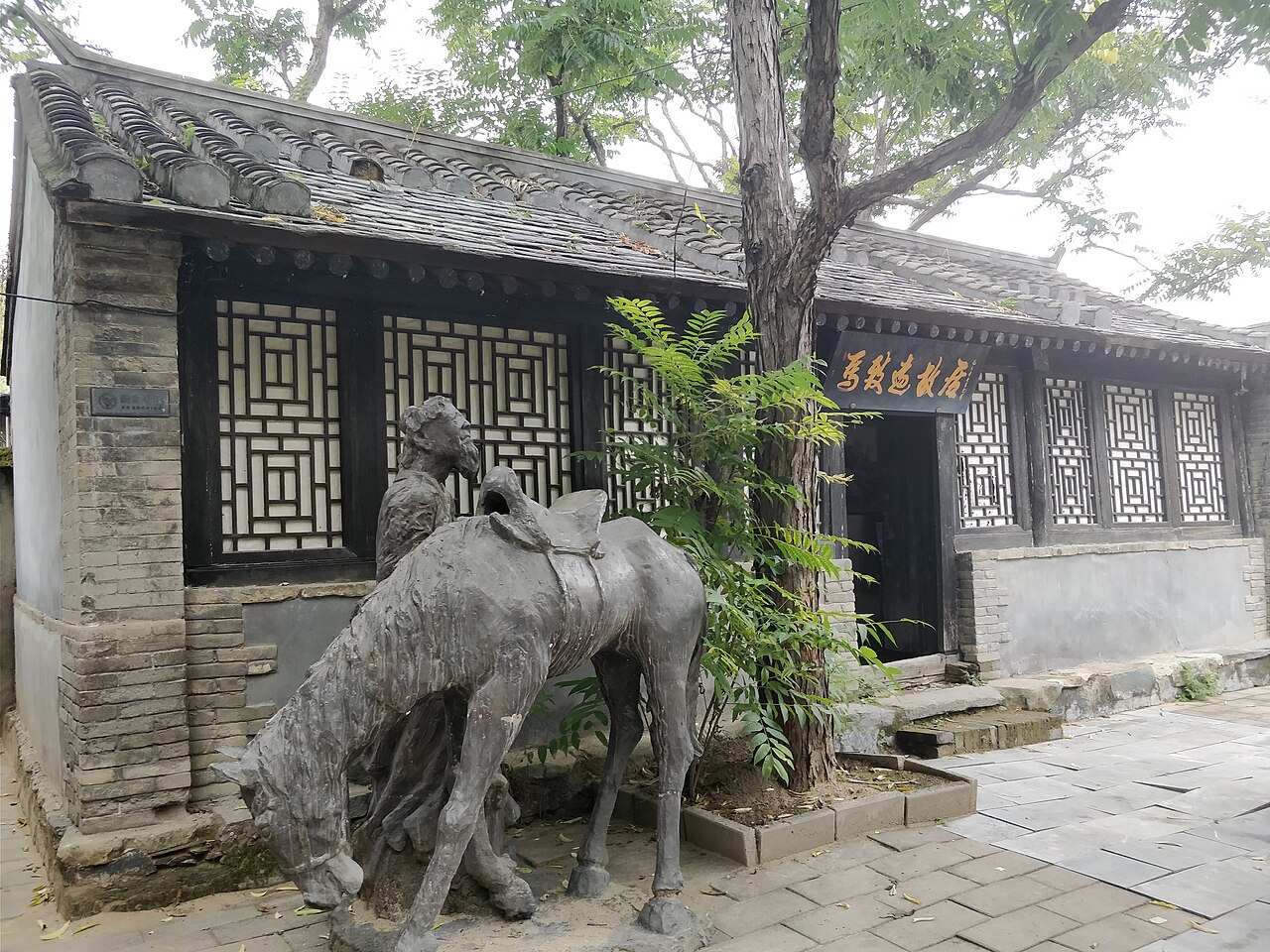
Frequently Asked Questions
What is Ma Zhiyuan's most famous poem?
His sanqu lyric "Autumn Thoughts" is by far his best-known piece and remains one of the most widely anthologized short poems in the Classical Chinese tradition.
What role did Ma Zhiyuan play in the history of Chinese poetry?
He is credited with helping to shape and popularize the sanqu lyric form, giving it a more refined and accessible structure that influenced poets who came after him.
What plays is Ma Zhiyuan known for?
Beyond his poetry, he was a working dramatist of the Yuan theatre tradition, and one of his surviving stage works is the play "Autumn in Han Palace."
Why is Ma Zhiyuan important to readers of classical poetry?
He sits at the intersection of dramatic and lyrical writing in Yuan-dynasty China, and his sanqu lyrics are often the first advanced short poems readers encounter after the Tang and Song classics.
More in Classical & Medieval Poets 1-24
Related in Classical & Medieval Poets
Links follow this subject's own source article.
Spotted an error? Know more?
This is a living reference — every entry is fact-audited, and reader corrections feed straight into our audit queue. Suggest an edit · See this site's audit record