
Ma Zhiyuan
Yuan dynasty dramatist and poet known for sanqu lyrics.

Huangdan2060 · CC0
Ma Zhiyuan (c.
- field
- Dramatist, playwright, poet
- nationality
- Chinese
- known_for
- Development and popularizing of sanqu poetry; play 'Autumn in Han Palace'
Lore & Background
Ma Zhiyuan, courtesy name Dongli, lived during the Yuan dynasty.
Reader's Guide
Ma Zhiyuan's significance lies in his role in developing and popularizing the sanqu lyric form during the Yuan dynasty, a period when Chinese drama and poetry flourished. Ma Zhiyuan's work continues to be studied for its contribution to Chinese literary forms and its influence on later poetry and drama.
Did You Know?
- Ma Zhiyuan's courtesy name was Dongli.
- His sanqu poem 'Autumn Thoughts' uses ten images in twenty-two monosyllables.
- Only seven of his 15 plays are extant.
- The play 'Autumn in Han Palace' is considered the best example of Yuan theatre.
Gallery
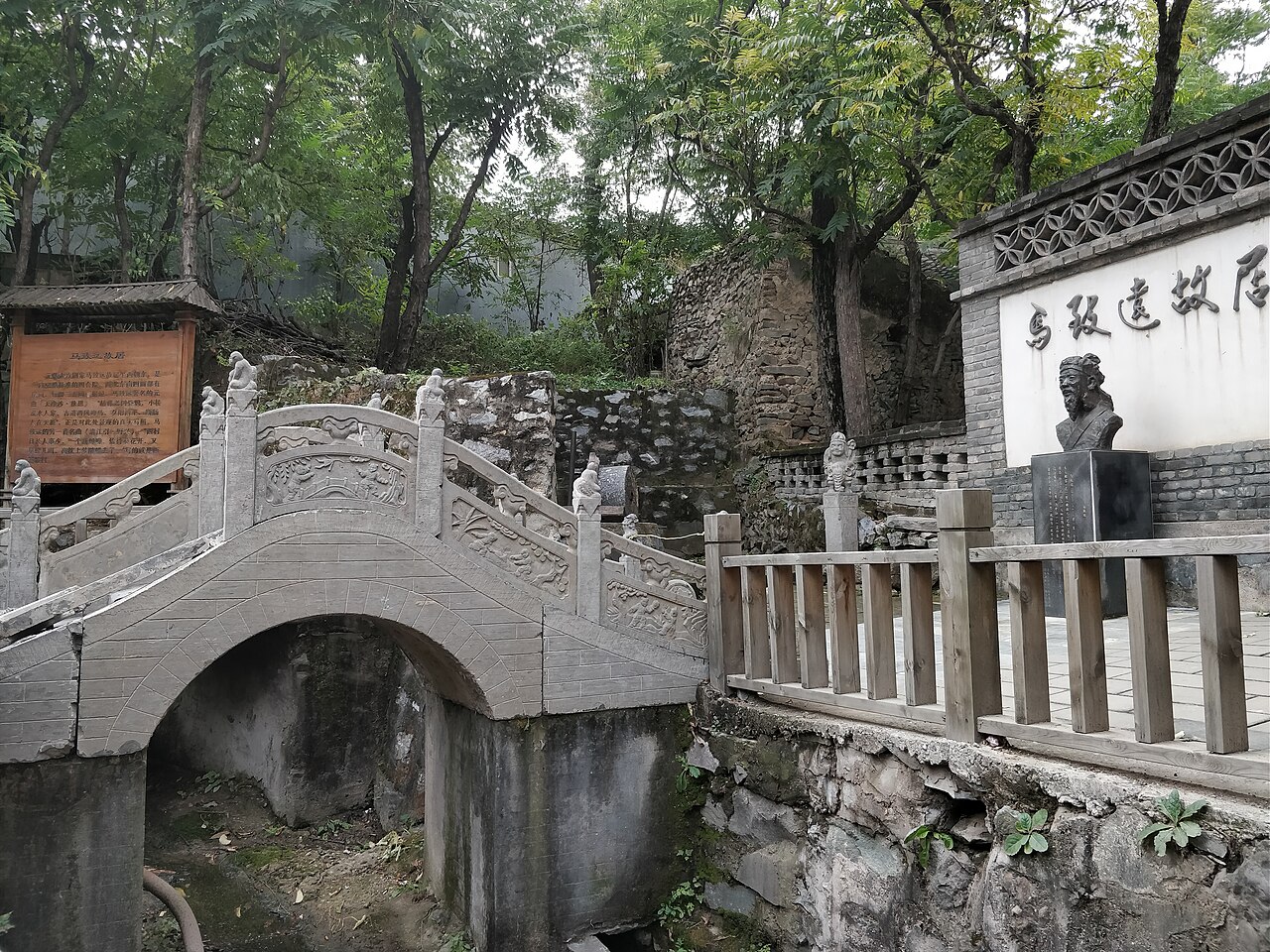
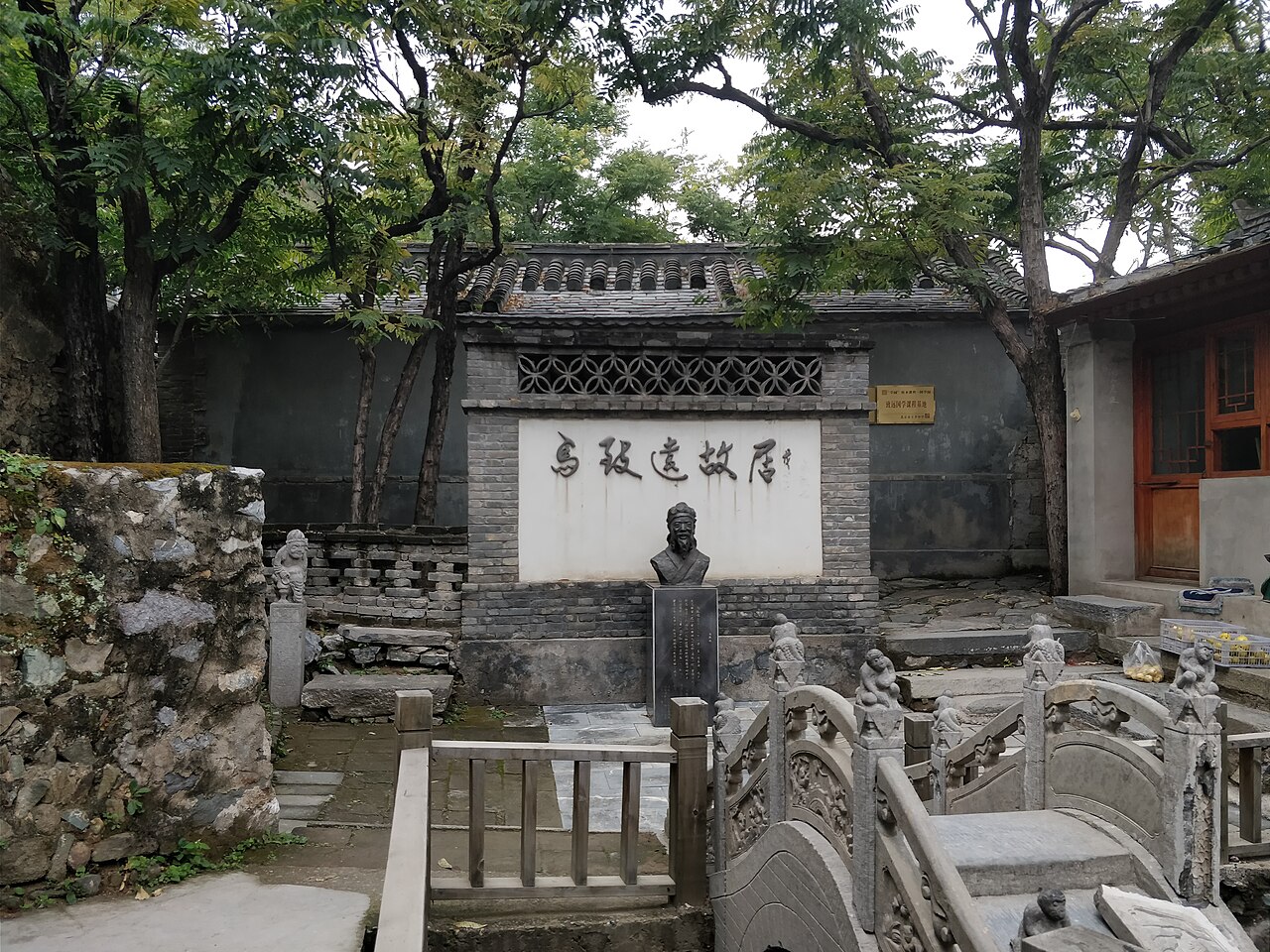
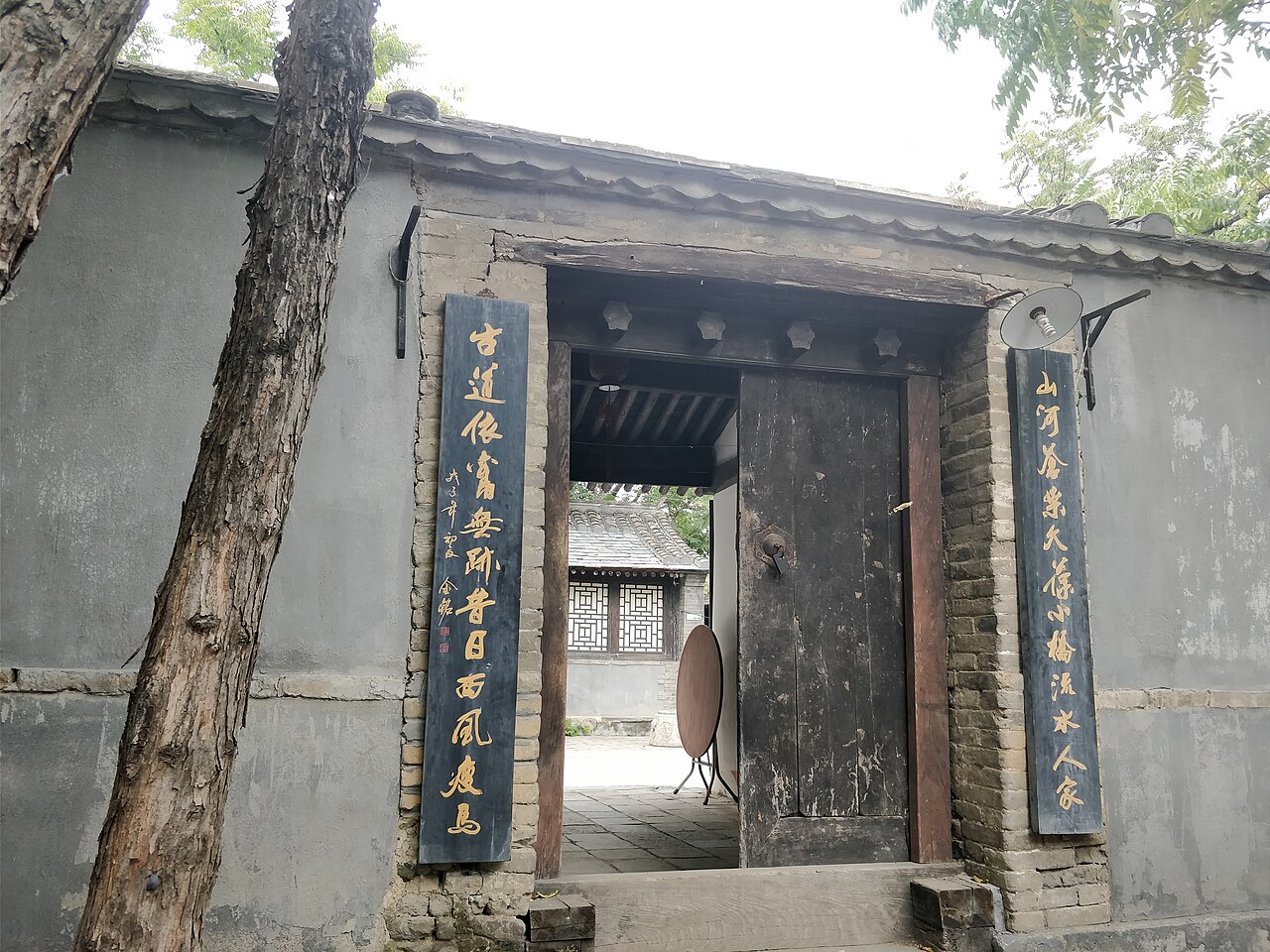
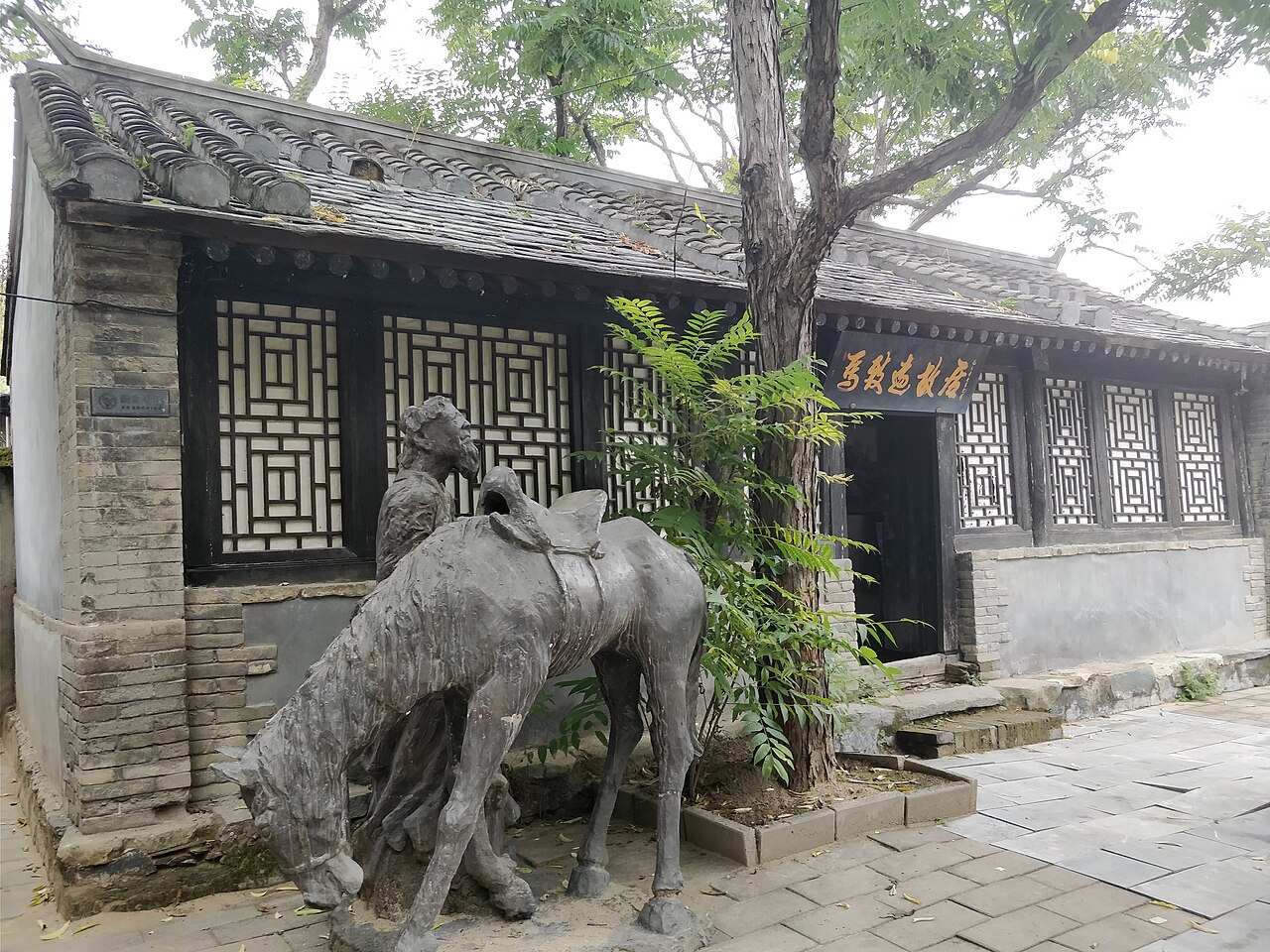
Frequently Asked Questions
What is Ma Zhiyuan's most famous poem?
His sanqu lyric "Autumn Thoughts" is by far his best-known piece and remains one of the most widely anthologized short poems in the Classical Chinese tradition.
What role did Ma Zhiyuan play in the history of Chinese poetry?
He is credited with helping to shape and popularize the sanqu lyric form, giving it a more refined and accessible structure that influenced poets who came after him.
What plays is Ma Zhiyuan known for?
Beyond his poetry, he was a working dramatist of the Yuan theatre tradition, and one of his surviving stage works is the play "Autumn in Han Palace."
Why is Ma Zhiyuan important to readers of classical poetry?
He sits at the intersection of dramatic and lyrical writing in Yuan-dynasty China, and his sanqu lyrics are often the first advanced short poems readers encounter after the Tang and Song classics.
More in Classical & Medieval Poets 25-28
Related in Classical & Medieval Poets
Links follow this subject's own source article.
Elsewhere in the Classical & Medieval Poets universe
Spotted an error? Know more?
This is a living reference — every entry is fact-audited, and reader corrections feed straight into our audit queue. Suggest an edit · See this site's audit record